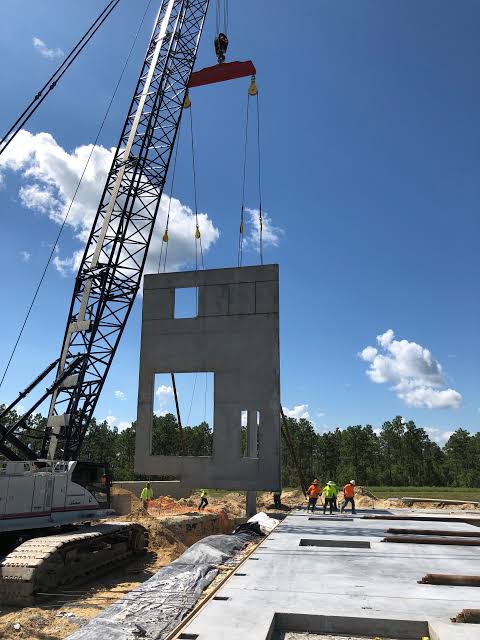
Constructions are expensive and require numerous materials. It takes time and hence calls for an immediate choice. However, making a tiltup panel structure requires 30% less time than building a comparable system out of slabs or blocks. Tilt-up work may be completed so fast in part because of mass manufacture. Tilt has several benefits and drawbacks, but this article will go into the details.
Rapid construction
The tilt-up procedure is substantially quicker since the panels are created on the job site. According to some estimates, this type of construction requires 30% less time than traditional methods. Of course, one of the factors that make tilt-up work possible so fast is mass manufacturing. Mass manufacturing can speed up and reduce costs for such projects, so choosing to use a hinged frame is relatively simple.
Also Read – SFlix Pro: Is It Safe To Use
Use of less energy
Because reinforced concrete has minimal seams or joints throughout the structure, it makes an excellent insulator and is highly durable. Additionally, the system may attain greater levels of energy efficiency because of its tilt-up construction.
Flexible
The tiltup panel’s adaptability is yet another fantastic feature. The tilt-up building supports are all constructed as independent steel structures, making them portable. This implies that if the owner chooses to alter the appearance of the building, they may do it without difficulty. Even if they don’t intend to modify anything shortly, it’s still a good idea to be aware that they may adjust columns as necessary.
Cost-saving building measures
The number of workers needed for a safe installation and any additional tools, such as scaffolding drive up the price of a typical built-in wall. A minimal team and few resources are needed for the flip-up wall. Despite being more expensive up front, cranes are far more cost-effective, especially for massive constructions.
Durable
Corrosion, rust, and insect infestations are among the things that concrete is resistant to. This implies that when constructed according to local laws and rules, concrete will endure longer and can survive most earthquakes and severe weather conditions.
Fantastic heat insulation
It’s crucial to use enough insulation while constructing a structure. You will need to install an additional layer of insulation once the project is finished if the area isn’t adequately insulated throughout the construction phase. The good news is that this can be prevented by selecting a tilt-up design. Reinforced concrete walls act as a substantial natural barrier that stops warm air from exiting the building in the winter and cool air from escaping the structure in the summer. The panels utilised in the sloping construction also provide stronger fire resistance.
Also Read – Filmy4wap – Download The Latest Movies For Free
Maintenance
Except for routine cleaning and repainting, tiltable panels require little to no maintenance, unlike the other constructions, such as localised damage to steel-framed buildings and structures.
Efficient insurance transactions
The flip-up panel construction technique produces structures that are relatively resistant to harm. Additionally, it will aid the owner in receiving a lower insurance premium while repairing the damage. The likelihood that the insurance will provide a better bargain increases with the building’s resistance to harm. Naturally, minor damage is preferable, but it’s essential to know that insurance is available in the case of a catastrophe.
Conclusion
The tip-up approach appears to be being used by an increasing number of contractors. However, remember that the tiltup panel technique of building construction and destruction must be done in line with local laws.
You can also visit Rise and Beam